Welcome to Fu 'an Darong Auto Parts Industry Co., Ltd.

Automobile Intake System Inspection and Maintenance
Author:
Release time:
2023-04-03
The automobile intake system consists of an air filter, air flow meter, intake pressure sensor, throttle body, additional air valve, idle control valve, resonator, drive chamber, intake manifold, etc. The main function of the intake system is to transport clean, dry, sufficient, and relatively stable gas to the engine to meet its needs, and to prevent impurities and coarse particles in the gas from entering the engine's combustion chamber, causing abnormal damage to the engine. Subsequently, the automotive writer patiently explained the automobile intake system to friends.
Function of the Automobile Intake System
The main function of the automobile intake system is to transport clean, dry, sufficient, and relatively stable gas to the engine to meet its needs, and to prevent impurities and coarse particles in the gas from entering the engine's combustion chamber, causing abnormal damage to the engine. Another important function of the intake system is to reduce noise and intake noise.
Noise is not only related to the overall vehicle noise but also to the noise inside the car, which has a significant relationship with riding comfort. The design of the automobile intake system also affects the engine's power and noise quality, relating to the riding comfort of the vehicle body. Properly designed muffling components can reduce the noise of the subsystem, thereby improving the NVH characteristics of the vehicle body.
Operating Principle
When the engine is working, the driver controls the throttle pedal's opening degree through the accelerator to change the air flow and adjust the engine speed ratio. The air entering the engine is filtered by the air filter to remove dust and other impurities, then flows through the air flow meter, enters the drive chamber through the throttle passage, and is then distributed to each cylinder via the intake manifold; when the engine is idling, part of the gas bypasses the throttle and enters the cylinder through the additional air valve or idle control valve.
Classification
The key to modern automobile intake systems lies in variable intake systems. The key points of variable intake systems include VVT (Variable Valve Timing), CVVT (Continuous Variable Valve Timing), VVT-i (Electronic Variable Valve Timing), and i-VTEC (Electronic Variable Valve Lift).
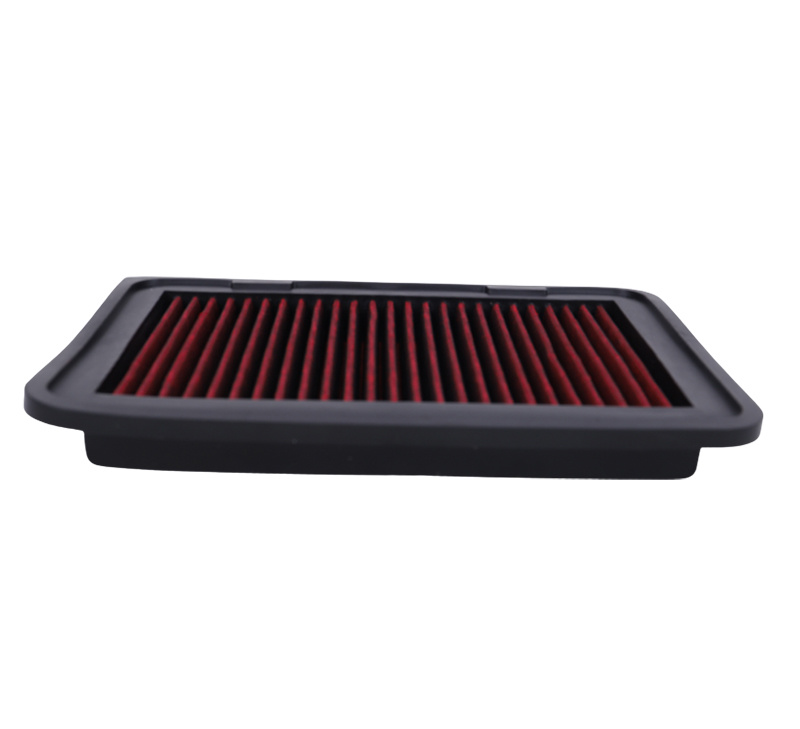
Alright, next, the editor of Auto Home briefly introduces the automobile intake system. I wonder if my friends have a better understanding of the automobile intake system after listening to my introduction?
1. Common faults of the intake manifold switching valve: Open the intake manifold switching valve bearing end cover, place the English listening stick against the intake manifold switching valve, run the engine, repeatedly press the accelerator pedal, and release the accelerator pedal before the engine speed reaches 4000/min. Listen to whether the intake pipe switching valve operates normally. A "click" sound can be heard when the speed is around 3200r/min, otherwise, the intake manifold switching valve should be replaced.
2. Damage to the variable intake manifold switching valve in the automobile intake system: When the engine accelerates, the fault indicator light is illuminated, and the power is significantly insufficient. Replacing the variable intake manifold switching valve assembly can perform fault detection.
3. Solenoid valve failure: The engine accelerates poorly and does not reach high speeds. When the engine speed reaches the activation point of the variable intake passage vacuum valve, use a screw to tighten the relay. If a "click" sound is heard but is weak, it indicates that the intake manifold switching valve can open, but the opening angle is insufficient, leading to inadequate filling efficiency. Replacing the solenoid valve can perform fault detection.
4. Short circuit fault of the variable intake passage vacuum valve in the automobile intake system: When the engine speed reaches the activation point of the variable intake passage vacuum valve, use a screw to tighten the relay. If no "click" sound is heard, replacing the solenoid valve can perform fault detection.
5. Poor sealing of the turbocharger system sealing ring, causing blue smoke from the exhaust pipe when the engine is at low speed and light load.
6. The pressure relief valve of the automobile intake system is stuck on the non-relief side, causing excessive oil pressure; if stuck on the relief side, it causes low oil pressure. Blockages in the main oil passage, hydraulic control system actuators being stuck, and leaks in the main oil passage can all lead to common faults in the variable valve system, and the diagnostic tool may not be able to detect them.


RELATED NEWS
2023/08/08
2023/07/31
2023/07/19